
Featured in This Month’s Newsletter
1) Cape Cod Update: Joan Harris, LSW, MBA, CMC, Founder, Managing Partner
2) How Care Managers and Trust & Estate Attorneys Work Together to Protect Vulnerable Older Adults: Joan Harris, LSW, MBA, CMC, Founder, Managing Partner
3) The Heart of Our Practice: Kristine Callahan, CPC, CDP, Aging Life Care Manager and Wellness Specialist
4) Protecting the Mind: What Science Says About Cognitive Decline with Julia Nickrosz, CDP, Aging Life Care Manager, Dementia Specialist
5) Understanding Elder Speak: Jean Clements, Practice Manager and Certified Dementia Engagement Specialist
Cape Cod Update
Joan Harris, LSW, MBA, CMC
We are excited to share our update on our full-service Care Management and Wellness Specialty on Cape Cod. Kristine Callahan, CPC, CDP is currently working with older adults and their families from Falmouth to Brewster. We are quickly expanding our service area further beyond this area. Kristine and our team are providing assessments and consultations for aging in place at home, discharge planning, placement options, care coordination, and caregiver coaching. Our innovative approach to Wellness consulting with the development of Symphony WholeLife Wellness provides a holistic approach to enhance quality of life using non-pharmacological complimentary modalities. This is available to older adults at all ages to support joy, comfort, purpose and well-being.
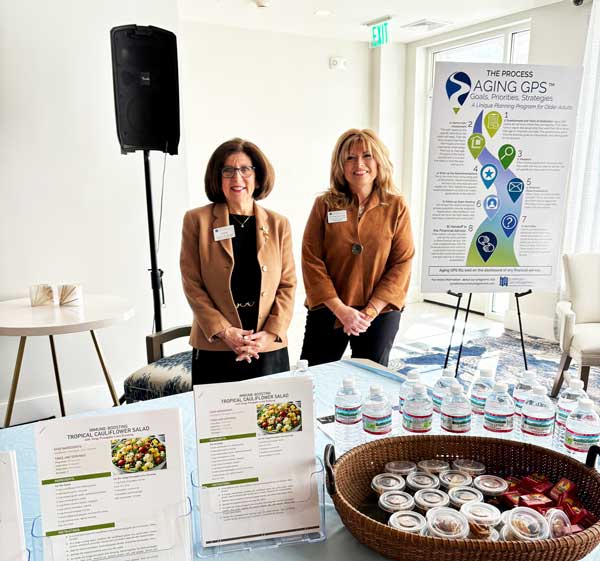
Complimentary workshops across Cape Cod promoting brain health
the Blue Zone way and healthy aging with a plan in place.
the Blue Zone way and healthy aging with a plan in place.

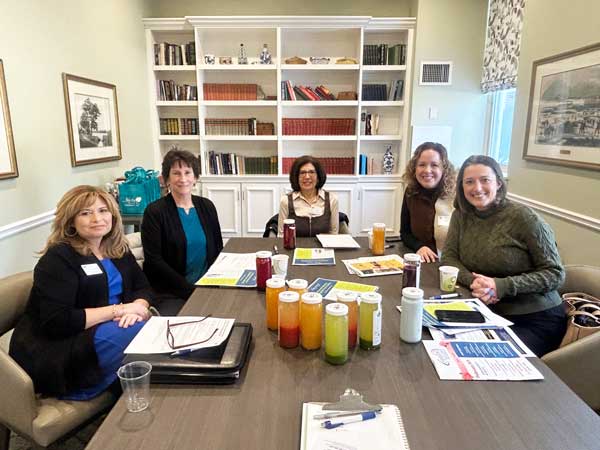
On February 4th, our team was hosted by Neville Place Assisted Living in Cambridge.
We use this opportunity to train each other on a variety of issues and topics.
Thank you to Neville Place Assisted Living.
We use this opportunity to train each other on a variety of issues and topics.
Thank you to Neville Place Assisted Living.

The Heart of Our Practice
Kristine Callahan, CPC, CDP, Aging Life Care Manager & Wellness Specialist
Hello friends,
As we travel through February, we are reminded of the Go Red for Women national campaign that stemmed from American Heart Month, a nationwide observance that raises awareness about cardiovascular disease. The Go Red for Women campaign specifically highlights women’s cardiovascular health. It addresses the unique risks such as menopause-related estrogen decline, pregnancy complications, and gender-specific symptoms of heart disease.
Caregiver stress combined with suppressed emotions, unmet physical and emotional needs all may factor into your cardiac health. We encourage you to get radical with your self-care. Consider reaching out for support if you are struggling with healthy boundaries and carving out time for your own well-being. Please get frequent check-ups with your medical providers and consider the free workshops on our blog page.
https://symphonycaremanagement.com/symphony-blog/
Heart disease is still the leading cause of death for both men and women in the United States. Here at Symphony WholeLife Wellness the new wellness division of Symphony Care Management, we are largely focused on quality of life and healthy habits. One of the largest impacts you can have on your well-being is through diet. We promote a brain & heart healthy option called The Mind Diet https://theofficialminddiet.com/ . I hope you will explore the official website and some free resources, recipes and empowering information.
From our hearts to yours, be well.

Protecting the Mind: What Science Says About Cognitive Decline
Julia Nickrosz, CDP, Aging Life Care Manager, Dementia Specialist
For many people—whether they are worried about memory changes, have been diagnosed with mild cognitive impairment (MCI), or are living with dementia—it’s natural to feel anxious or out of control. Forgetfulness, confusion, or uncertainty about the future can be overwhelming. The good news is that research shows there are concrete steps you can take to protect your brain, maintain independence, and even slow cognitive decline. These are habits you can start today—small, consistent actions that make a real difference.
The most powerful strategies are multimodal, meaning they combine several lifestyle habits that reinforce each other: exercise, brain-healthy nutrition, cognitive stimulation, stress management, and quality sleep. When these habits are practiced together, they create a positive cycle that strengthens both mind and body, helping you feel more confident and in control.
A helpful way to organize these habits is the EXCELS framework:
- E – Exercise
- C – Consume Healthy Foods
- E – Engage & Learn
- L – Lower Stress
- S – Sleep
This simple structure translates decades of research into a practical roadmap for healthy aging.
Exercise: The Foundation of Brain Health
Exercise is not just good for your heart and muscles—it is essential for your brain. Studies like the EXERT trial, which followed 300 older adults with MCI, found that those who exercised 120–150 minutes per week maintained their cognitive function over 18 months, while measurable decline typically occurs without intervention.
Both moderate aerobic activity and lower-intensity stretching were effective, demonstrating that consistency matters more than intensity. Even daily walks, light yoga, or chair exercises can be highly beneficial.
Exercise helps the brain by:
- Increasing blood flow, which delivers oxygen and nutrients
- Stimulating neuroplasticity—the brain’s ability to form new connections
- Boosting BDNF (brain-derived neurotrophic factor), often called “fertilizer for neurons”
- Improving mood, reducing stress, and supporting better sleep
Takeaway: You don’t need to become an athlete. Even light, regular activity—like walking to the mailbox or gentle stretching—can protect cognitive function.
🔗 Reference: ScienceDaily – Even Light Exercise Could Help Slow Cognitive Decline in People at Risk of Alzheimer’s
Combining Habits: Lessons from the FINGER Study
Finland’s FINGER study demonstrated that combining exercise, nutrition, cognitive training, and cardiovascular risk management reduced cognitive decline by ~30% over two years compared to standard care.
Even participants with genetic risk factors for Alzheimer’s benefited, showing that lifestyle choices matter regardless of family history. The key lesson: no single habit is enough. The greatest protection comes from combining multiple healthy behaviors.
Nutrition: Fueling the Brain
The MIND diet—a combination of Mediterranean and DASH principles—has strong evidence for protecting cognition. High adherence is linked to:
- 53% lower risk of Alzheimer’s disease
- Slower cognitive decline equivalent to being 7.5 years younger
Core components include leafy greens, vegetables, berries, nuts, whole grains, fish, and olive oil, while limiting red meat, fried foods, sweets, and highly processed items. Nutrition provides the foundation for all other brain-healthy habits.
Practical tips:
- Try a spinach or kale salad several times a week
- Add berries to oatmeal or yogurt
- Swap butter for olive oil in cooking
- Aim for fish 1–2 times per week
Small, consistent changes maintained over time have a meaningful impact.
🔗 NIH Research – Healthful Diet Linked to Reduced Risk of Cognitive Decline
Understanding Elder Speak and Why It Is Harmful
Jean Clements, Practice Manager and Certified Dementia Engagement Specialist
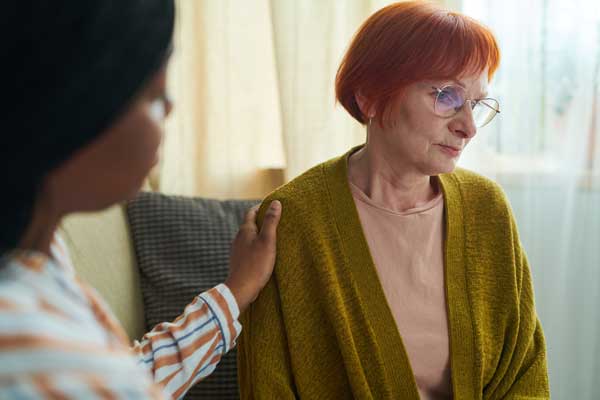
Elder speak is a form of infantilizing speech used with older adults and is a manifestation of unconscious ageism. Often unintentional, it is frequently rooted in the misconception that older adults are frail or incompetent.
Examples of this condescending communication include using terms like “honey,” “sweetie,” or “dearie,” speaking in an unnecessarily loud or high-pitched tone, or talking slowly as if the person is cognitively impaired. Other examples include using patronizing phrases like “good girl” or “we had an accident,” and touching without consent, such as patting an older adult’s head, chin, shoulder, or hands.
While elder speak might seem benign, it can have several negative effects. It can diminish a senior’s self-esteem and foster resentment. For individuals with dementia, this communication style may also result in resistance to care, depression, social withdrawal, or uncooperative behavior. Older adults may have hearing loss or reduced processing speed but their social skills and perceptions of interactions remain fully intact.
To avoid elder speak and ensure respectful, empowering communication, consider the following alternatives:
Speak normally and clearly, use your natural voice and pace; avoid pet names, use the individual’s preferred name instead of condescending terms; be patient to allow sufficient time for the senior to respond and engage in the conversation.
By recognizing that elder speak is often perceived as demeaning and patronizing rather than sincere and helpful, we can better support the quality of life and dignity of the older adults.
Stay safe and warm through the remaining winter months.
Know that our team is here to assist you in any way you need.
Joan & the Team at Symphony Care Management
800.331-6991
Know that our team is here to assist you in any way you need.
800.331-6991