Understanding Elder Speak and Why It Is Harmful
Jean Clements, Practice Manager and Certified Dementia Engagement Specialist
Elder speak is a form of infantilizing speech used with older adults and is a manifestation of unconscious ageism. Often unintentional, it is frequently rooted in the misconception that older adults are frail or incompetent.
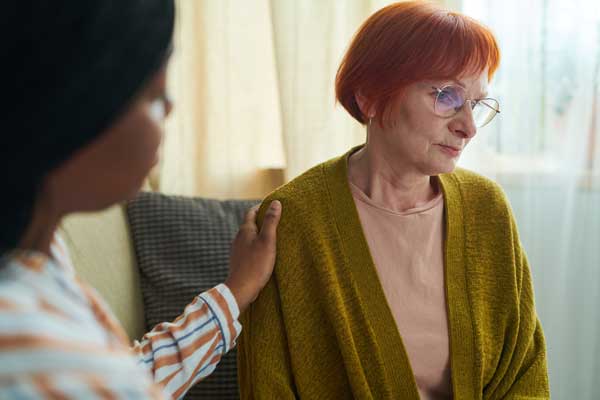
Examples of this condescending communication include using terms like “honey,” “sweetie,” or “dearie,” speaking in an unnecessarily loud or high-pitched tone, or talking slowly as if the person is cognitively impaired. Other examples include using patronizing phrases like “good girl” or “we had an accident,” and touching without consent, such as patting an older adult’s head, chin, shoulder, or hands.
While elder speak might seem benign, it can have several negative effects. It can diminish a senior’s self-esteem and foster resentment. For individuals with dementia, this communication style may also result in resistance to care, depression, social withdrawal, or uncooperative behavior. Older adults may have hearing loss or reduced processing speed but their social skills and perceptions of interactions remain fully intact.
To avoid elder speak and ensure respectful, empowering communication, consider the following alternatives:
Speak normally and clearly, use your natural voice and pace; avoid pet names, use the individual’s preferred name instead of condescending terms; be patient to allow sufficient time for the senior to respond and engage in the conversation.
By recognizing that elder speak is often perceived as demeaning and patronizing rather than sincere and helpful, we can better support the quality of life and dignity of the older adults.